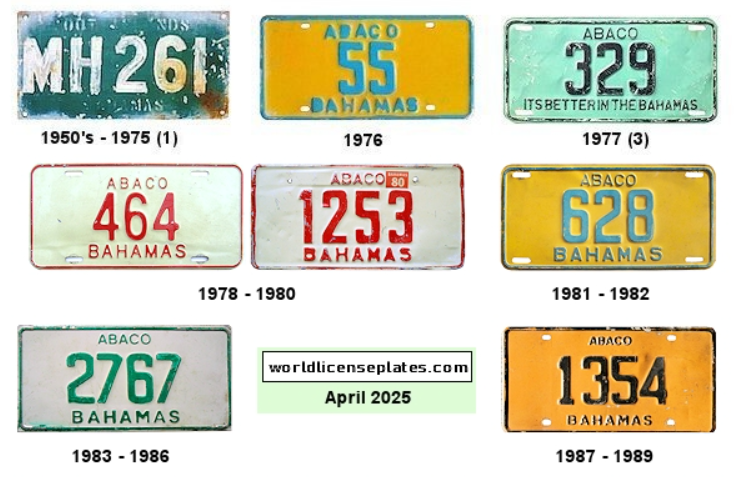
Illustration of different types of licence plates, from the website http://worldlicenseplates.com/
What You Can (and Can't) do With License Plates in OSINT
This article explains what is possible, what is not, and how plates can provide valuable information in an investigation without crossing legal or ethical boundaries.
License plates show up everywhere: in videos, marketplace listings, social media posts, CCTV screenshots, and pictures shared online. Because they identify a vehicle, many beginners assume they can be used to look up the identity of the owner. In reality, OSINT techniques involving license plates are far more limited—but still very useful.
I. What Is Actually Legal?
Allowed
Open-source intelligence allows the use of any information already available to the public, including:
- Identifying the country or region of a plate.
- Determining what type of vehicle it belongs to (private, diplomatic, rental, commercial, etc.).
- Finding other publicly available photos or videos of the same plate.
- Identifying the likely make, model, or color of the vehicle.
- Detecting inconsistencies (fake plates, mismatched formats, cloned plates).
- Dating an image based on the plate format.
All of these techniques rely entirely on publicly accessible content.
Not Allowed
The following actions are illegal/impossible in most jurisdictions:
- Accessing police or government vehicle registration databases.
- Querying the owner's identity, address, or personal details.
- Buying access to third-party "lookup" services using restricted data.
- Using tools intended for law-enforcement or insurance companies.
OSINT investigations must rely solely on open data.
II. Identifying the Country and Region
Most countries have standardized formats: color schemes, fonts, security features, regional codes, or numbering patterns. Plates can therefore be used to determine where a vehicle is registered and, in some cases, provide hints about the year or decade of the format.
Useful publicly accessible resources include:
- WorldLicensePlates.com: large visual catalogue of plate formats
- PlatesMania.com: user-submitted vehicle photography
- Wikipedia: summaries of national and regional plate systems
These sites do not provide personal data; they simply help identify formats and patterns.
III. Identifying the Vehicle Itself
Although you cannot find the owner, you can often determine the vehicle behind a plate.
1. Searching the Plate Online
A simple text search of the plate number, combined with reverse-image search, may reveal:
- Marketplace listings
- Car meet photos
- Social media posts
- Car-spotting websites
- Event photography
You may find different angles of the same vehicle, locations where it was seen, or past modifications.
2. Reverse Image Search
If the plate appears in a picture, extracting the number using OCR and performing reverse-image searches (Google, Bing, Yandex) can uncover other public appearances of the same car.
3. Using public or commercial services
In many countries, entering a license plate into public or commercial services can reveal technical information about a vehicle — without exposing personal owner data.
Typical data you can legally retrieve in some countries:
- Make, model, and trim
- Engine type, fuel, horsepower
- Year of first registration
- Inspection or MOT history (depending on country)
- Environmental class or emissions category
Several countries allow public lookup of vehicle characteristics through official or commercial databases:
- France: Webites like Feu Vert, Norauto, Oscaro, Mister Auto, etc., return full technical details (model, engine, year) based on the plate.
- UK: The DVLA service provides model information, fuel type, engine size, MOT history, and tax status.
- Netherlands: The RDW API offers structured vehicle data, including weight, environmental class, etc.
- Denmark & Norway: Public registries show model details, engine information, and more.
- USA: No public government lookups here, but many commercial automotive tools still return basic data about model and year.
In all cases, personal owner information remains confidential. These tools only reveal technical characteristics of the vehicle, which is why they are accessible and legal to use.
IV. Country-Specific OSINT Value
European Union
Standardized EU plates make country identification straightforward. Many countries also use regional codes.
United States
Each state has a distinct design. Some plates include county names, which can be useful for geolocation.
United Kingdom
The registration system is highly structured. The first characters indicate the region, and the digits represent the registration year, which helps in dating images.
Japan
Plates reveal the region, vehicle class, and type based on color and numbering patterns.
Russia
Russian plates include numeric region codes, helping to narrow down the location to a city or oblast.
V. Actual Use Cases
1. Dating Images
Plate formats change regularly. Knowing when a particular format was introduced can help determine whether a photo is recent, old, or misleading. This technique is common in fact-checking and disinformation analysis.
2. Detecting Fake or Altered Plates
Red flags indicating a fake or incorrect plate include:
- Wrong color for the vehicle type
- Incorrect region code for the claimed location
- Style inconsistent with the year
- The same plate number appearing on different vehicles online
This type of analysis is frequently used in fraud investigations and misinformation detection.
3. Behavioral Patterns
If the same vehicle appears in different public posts or locations, it may reveal non-personal behavioral patterns—such as regular attendance at certain events—without identifying the owner.
VI. Conclusion
Although license plates cannot be used to identify the person behind a vehicle, they remain a valuable data point in OSINT investigations. Plates provide clues about geography, chronology, context, and authenticity. They help us connect publicly available images, verify claims, detect inconsistencies, and understand the circumstances of an event.
